Donato Bramante, Palazzo Caprini (Palazzo di Raffaello), c. 1510
These buildings are in a class of their own and represent a climax of the High Renaissance palace between 1515 and 1520. Their functional differentiation of a rusticated ground-floor and smooth piano nobile, their majestic sequence of double half-columns, their use of few great forms, and their economy of detail, the organic separation of one member from another (e.g. balconies and bases of columns), the compact filling of the wall and the energetic projection of mass—all this, though unprecedented in ancient as well as modern times, gave these places the stamp of truly imperial grandeur. They had something of the serene and grave quality of ancient Roman buildings, and it was palazzo type that, fused with Venetian elements first by Sanmicheli (Palazzo Pompeii, Verona) and then by Palladio, was constantly imitated and varied all over Europe by architects with a classical bias.
Wittkower, Architectural Principles in the Age of Humanism, on buildings influenced by Bramante palazzos.
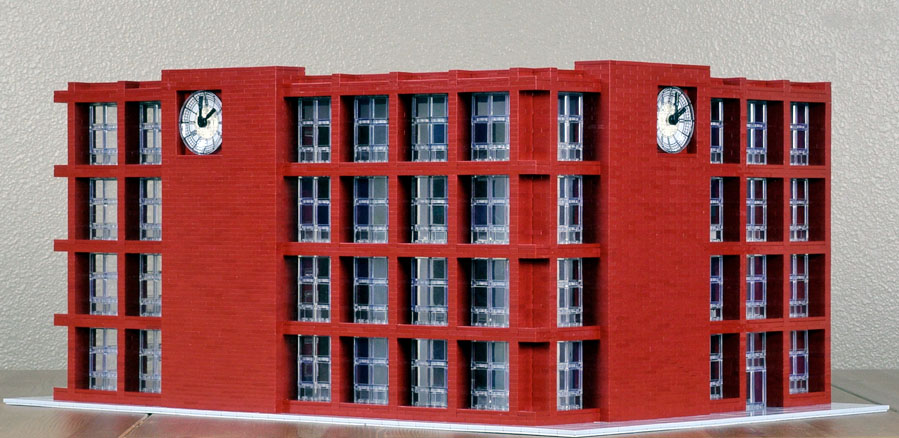
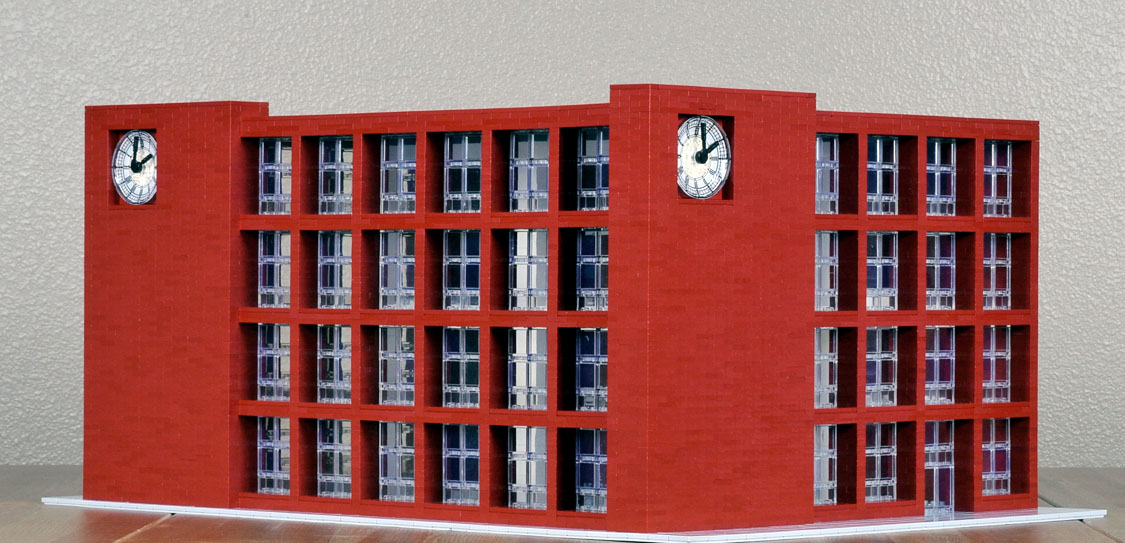
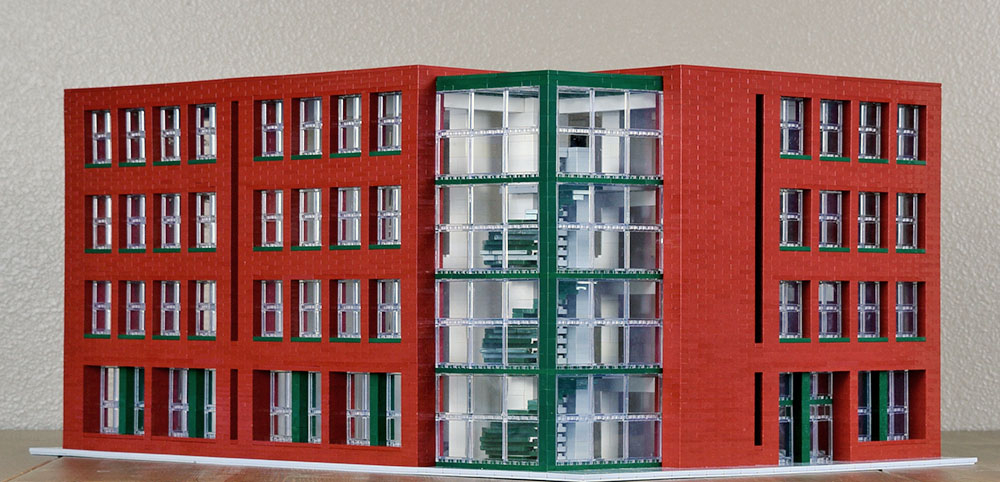
The style of palazzos—Italian palaces for nobles and the wealthy—may seem an odd choice for this project. They housed, however, several functions, and the ground floor was often used for commerce. Later revivals of the style served all manner of purposes. What the style succeeds in doing is defining an urban presence, assertive, conscious of itself, yet also mindful of the need to respect a town’s grid and fabric. The palazzo faces the town streets and lies close, maintaining its reserve without withdrawing to isolation and exclusivity, at least in appearance.
That was my interest, a unified design for a building with many functions, one that distinguishes the building and elevates the importance of the activities inside yet still fits in. Its location—in the center of the downtown area, before the plaza it commands—calls for such presence. I also wanted a design that might reach back into the past and give it present relevance and connection.
Continue reading →